Skip the Happy Hour: How a Monthly Dinner Party Builds the Friendship Network You Actually Want
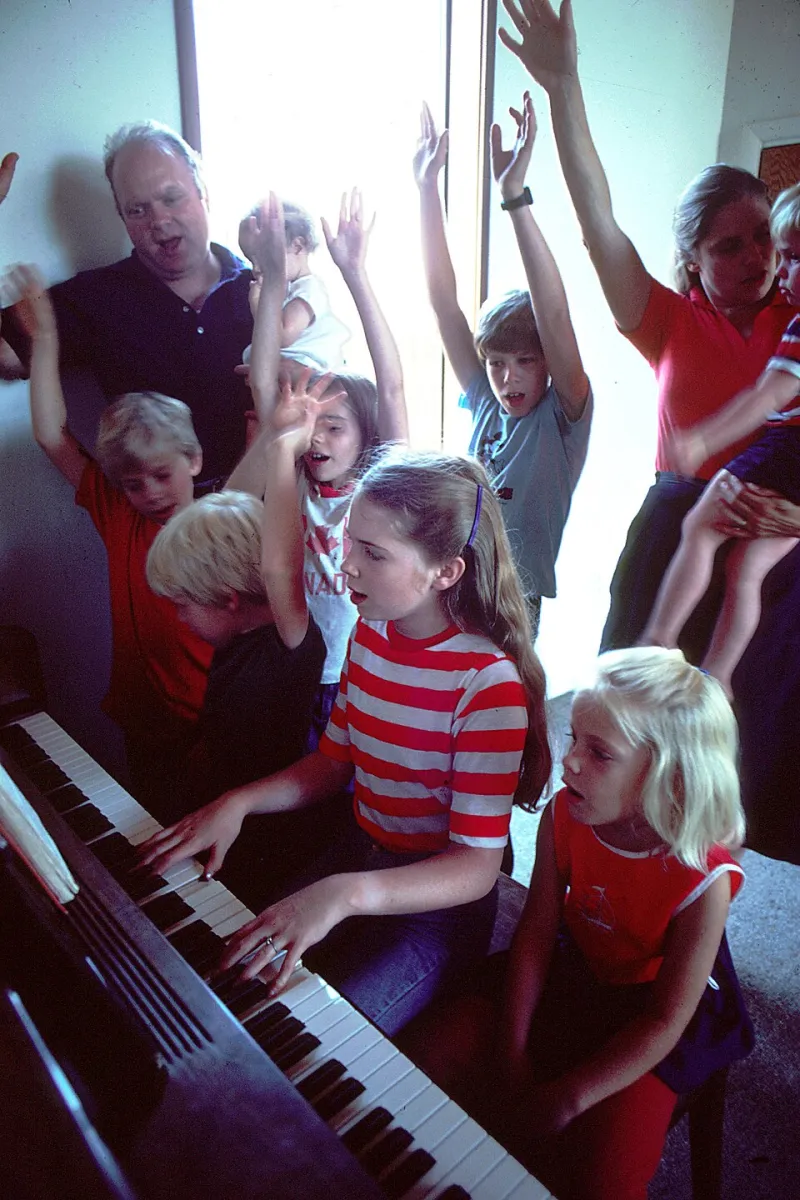
Photo: Linda Bartlett (Photographer), Public domain, via Wikimedia Commons
Adult friendship has a logistics problem. Everyone likes the idea of seeing each other. Nobody wants to be the person who sends the seventh text asking which Thursday works. Happy hour tries to solve this, but it comes with its own set of obstacles: loud rooms, expensive drinks, and the strange social pressure to be interesting between 5:30 and 7:00 p.m. while standing in uncomfortable shoes.
There is a better format, and it’s been hiding in plain sight: the monthly dinner party. Not the fussy dinner party of old movies, with three kinds of forks and a seating chart. The low-stakes, recurring, come-as-you-are dinner party. One night a month. A table. Food that doesn’t require a culinary degree. A small, deliberately mixed guest list. It’s networking without the name tag energy, and it works because it replaces chance encounters with rhythm.
Why Recurring Beats Random
One-off invitations are easy to decline. A recurring event becomes a fixture. When people know the last Saturday of the month is dinner at your place, they plan around it. They stop treating it as a favor and start treating it as part of their social infrastructure. That’s the magic. You’re not asking people to prioritize you; you’re giving them a standing reason to prioritize each other.
There’s also a lower awkwardness threshold. Happy hour is a performance. Dinner at someone’s home is a shared task. Someone is chopping, someone is opening a bottle, someone is setting out plates. That mild busyness gives quiet people something to do and gives conversations a natural place to start. You don’t need a brilliant icebreaker when there’s a bowl of chips and a question about the sauce.
The Guest-List Formula
A good dinner party is not a random collection of warm bodies. It’s a light curation. Aim for six to eight people, which is big enough to spark unexpected side conversations but small enough that no one gets lost. Use a simple mix:
- Two anchors: close friends who will show up, help out, and keep the energy stable.
- Three to four bridges: acquaintances you’d like to know better. The coworker who seems funny. The neighbor who always has a good book recommendation. The friend-of-a-friend who keeps appearing in group chats.
- One wildcard: someone from a different slice of your life—a running buddy, a former classmate, a person from your volunteer shift. This is where the real social alchemy happens.
Don’t overthink the seating. Don’t invite only people who already know each other. And don’t make it a networking event with a hidden agenda. The point is not to collect business cards. The point is to create the conditions for people to become real to each other.
A Menu That Doesn’t Wreck Your Day
The dinner party dies when the host tries to become a contestant on a cooking show. Pick a format that scales and forgives. A one-pot meal—chili, braised chicken, a big pot of pasta—plus a loaf of good bread and a simple salad is plenty. Or go build-your-own: taco bar, baked potato bar, grain bowl station. People like assembling their own food, and it takes pressure off the host.
You can also make it a potluck with a backbone. You provide the main dish and drinks. Guests bring sides, desserts, or ice. That lowers the cost for everyone and gives people a small sense of ownership. If you want a theme, keep it loose: a regional cuisine, a decade of music, a soup night in January. Themes are fun when they’re optional. They become stressful when they feel like homework.
Conversation Starters That Don’t Feel Like Icebreakers
Skip the corporate prompts. “What’s a small thing that made your week better?” works better than “Tell us your job title.” So does “What’s something you’ve gotten weirdly into lately?” or “What’s the best thing you’ve eaten since we last did this?” The goal is not deep confession. It’s low-friction disclosure. Small, specific questions give people an easy way in.
One useful rule: no phones at the table. Not as a punishment, just as a boundary. A basket by the door does the job. People will survive. Some will be relieved.
The Two-Hour Rule
A great dinner party has a gentle exit. Aim for a two-and-a-half-hour window: arrive, eat, talk, done. You don’t need to host until midnight. A clear end time actually makes people more likely to come back, because they know it won’t swallow their whole evening. Cleanup can be communal—assign a couple of people to dishes, send someone home with leftovers, and let the rest go.
What This Actually Builds
After six months, something shifts. People start texting each other outside the dinner. Someone offers to bring a dish without being asked. A bridge acquaintance becomes a real friend. The host stops being the social director and becomes part of a small, self-sustaining community. That’s the real network. Not a stack of contacts, but a table where people expect to see each other again.
You don’t need a big apartment or a perfect menu. You need a date, a pot, and the willingness to send the first invitation. The monthly dinner party is the new networking event because it’s not really networking at all. It’s just dinner, repeated until it becomes belonging.