Your Corner Café Is the New Social Network — And It Doesn’t Need an Algorithm
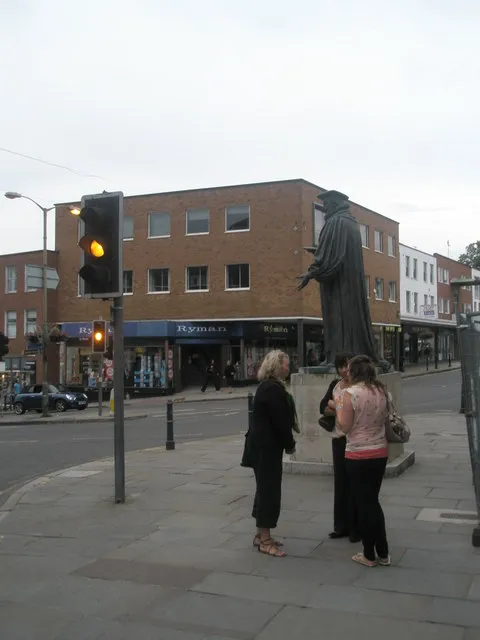
Photo: Basher Eyre, CC BY-SA 2.0, via Wikimedia Commons
Somewhere between the group chat that never quite turns into plans and the networking event you dread for a week, adult friendship has developed a logistics problem. We have more ways to stay in touch than ever, and fewer places where we actually bump into each other.
That’s not just a vibe. It’s a design flaw. The places that used to make friendship feel incidental — the diner, the corner bar, the neighborhood barbershop, the church basement, the rec-center pool — have been thinning out of American life for decades. The sociologist Ray Oldenburg called these informal gathering spots “third places,” meaning the space that isn’t home and isn’t work. The term is old. The need is not.
The Friend-Making Problem Nobody Warned You About
As a kid, friendship came with infrastructure. School put you in the same room with the same people every day. Sports, church, band, and summer jobs did the rest. As an adult, the infrastructure mostly disappears. You have to build it from scratch, usually while tired, usually after work, usually without a clue whether the person you’re chatting with is also looking for a friend or just being polite.
That’s why the standard advice — put yourself out there, go to meetups, join a club — often lands wrong. It sounds like a second job. It turns social connection into a performance review. And in the middle of a loneliness conversation that keeps getting louder in the U.S., the pressure to be good at making friends can make the whole thing feel worse.
What Counts as a Third Place Now
The third-place comeback doesn’t look like a Norman Rockwell painting. It looks like a climbing gym where the same six people show up on Tuesday nights. A run club that ends at a coffee shop. A barbershop where the chair conversation is half the reason you go. A neighborhood café where the barista remembers your order and the regular with the laptop always hogs the outlet near the window.
It can also be the library, the dog park, the pottery studio, or the pickleball court. The specific place matters less than the repetition. A third place is not a destination you visit once. It’s a spot where you become recognizable. That’s the whole magic trick.
The Magic Is in the Repetition
Here’s the part that makes third places work: they lower the stakes. You’re not there to impress anyone. You’re there because you like coffee, or climbing, or running, or getting your hair cut by someone who doesn’t judge your fantasy football team. The activity gives you something to talk about besides the awkward fact that you’re trying to make friends.
That’s why these places work better than a lot of formal networking events. At a mixer, everyone is selling something, even if it’s just a polished version of themselves. At a run club, you’re both huffing up the same hill. At a climbing gym, you’re both stuck on the same annoying route. Shared mild suffering is an underrated social lubricant.
How to Become a Regular Without Being Weird
The fear is real: what if I become the person who lingers too long? What if the staff thinks I’m a weirdo? Here’s the good news — regular status is mostly about rhythm, not charm. You don’t need to be the most outgoing person in the room. You just need to show up often enough that people stop wondering who you are.
Pick a low-stakes time
Friday at 7 p.m. at a popular restaurant is not the vibe. Try a Tuesday morning at the café, a Sunday afternoon at the climbing gym, or a Wednesday evening run club. Off-peak times make it easier to talk to staff and other regulars without competing with a crowd.
Learn three names
Start with the people who work there. Learn the barista’s name, the front-desk person at the gym, the guy who owns the barbershop. Use their names when you say thanks. This isn’t a manipulation tactic. It’s just being a person in a place instead of a ghost with a wallet.
Ask one small question
“What’s good today?” “Is this route supposed to hurt this much?” “Do you know if they’re doing the group run next week?” Small questions are low-risk. They signal that you’re open to conversation without demanding one. Most people are relieved to have something easy to answer.
Leave before it gets awkward
You don’t have to close the place down. In fact, leaving on a normal note is a gift. Say thanks, say see you next week, and go. You’re building a pattern, not auditioning for a sitcom. Consistency beats marathon hangouts.
A Smaller, More Human Loneliness Fix
The third-place comeback isn’t going to solve every social problem. It won’t replace therapy, close the gap in your family, or make your group chat suddenly good at planning dinner. But it can do something smaller and surprisingly powerful: it can make you a familiar face in your own neighborhood.
That’s not a small thing. Familiar faces are how casual acquaintance turns into actual friendship. They’re how you end up knowing someone who knows a guy who needs a running partner. They’re how a town starts to feel less like a set of errands and more like a place you belong.
So pick a spot. Go at the same time for a few weeks. Order the same thing. Learn a name. You don’t need an algorithm to find your people. You just need a reason to keep showing up.